


Essential Oil Ingestion: What the Evidence Shows
Examining Safety Concerns, Bioavailability & Clinical Application
Sarah LoBisco, ND, FMCP-M
The oral administration of essential oils has prompted differing perspectives within the aromatherapy community. Some practitioners are cautious about ingestion and have concerns about its safety, while others in aromatic medicine have used oral administration clinically for years.1
The evidence on safety, however, is more nuanced than blanket statements from either side might suggest.
There are legitimate reasons for prudence with oral administration, but similar considerations apply to topical and inhaled use as well. Essential oils contain complex mixtures of biologically active compounds, and various factors can all influence their bioavailability and effects.
Peer-reviewed research indicates that essential oil constituents can be metabolized differently according to their dose, chemotype, formulation, duration, and route, yet some pathways and effects may overlap across applications. Although oral exposure involves more concentrated gastrointestinal absorption and first-pass metabolism, inhaled and topically applied constituents can also reach systemic circulation and undergo metabolism, including hepatic and renal metabolism.
Essential oils are also sometimes described as inherently caustic to the gastric mucosa when ingested. However, experimental research has reported gastroprotective effects for certain essential oils and constituents. Limonene, for example, has been investigated for effects on gastric mucosal protection and mucus production in experimental models.
In this article, I examine the controversy surrounding essential-oil ingestion and evaluate common assumptions about oral use in light of the peer-reviewed literature.
The goal is neither to promote oral use without caveats nor to dismiss legitimate concerns, but to use clinical judgement when assessing the pharmacology, chemistry, route, and formulation of oral essential oils. This includes the targeted Oleobiotic® formulations developed for gastrointestinal, respiratory, and urinary applications.
Introduction: Resilience Is a Systems-Based Process
Seasonal transitions invite us to consider how the body adapts to changing environmental demands. As daylight decreases and routines shift, changes in sleep, activity, nutrition, stress, sensory input, and environmental exposures can influence multiple interconnected physiological systems.¹
From a naturopathic and functional medicine perspective, resilience emerges from the dynamic interaction of many systems. These include the nervous, immune, endocrine, and gastrointestinal systems, as well as metabolic processes and the individual's surroundings and lifestyle.
One component of this picture that can easily be overlooked is our sensory environment.
Every day, the brain receives information from the world around us through sight, sound, touch, taste, and smell. Among the senses, olfaction is unique in the way odor information reaches the brain. Unlike visual, auditory, and somatosensory information, which typically passes through the thalamus before reaching the cerebral cortex, olfactory information reaches primary olfactory cortical areas through pathways that bypass the thalamic relay.2,3 This close and distinctive relationship with brain regions involved in emotion, memory, cognition, and behavior helps explain why smells can have such powerful effects on our perceptions and experiences.2,3
Fall offers an appropriate setting for exploring these sensory connections. Beyond the obvious changes we see and feel as the season shifts, our sense of smell is also being continually engaged—often in ways we barely notice. The aromas of warming spices become more prominent, the volatile compounds released by seasonal vegetation alter the scent of the landscape, and the more pungent aromas of evergreen trees become part of the air around us. These sensory experiences are not merely background features of the season. They are part of the environmental information continually received by the brain.
This aromatic dimension of the changing season provides another way to consider how our environment interacts with the brain and body, and how the chemistry of plants becomes part of that sensory experience.
This article explores four ways the aromatic world of fall connects with our sensory experience and resilience. It then examines the olfactory system, essential-oil chemistry, and research surrounding these aromatic compounds before bringing the science into practical clinical applications for the fall season. Finally, these concepts come together in a layered approach to respiratory resilience. AromaFORCE® is featured as the core of this approach. Its synergistic blend of essential oils is delivered in a specialized formulation to provide targeted aromatic support for respiratory and whole-body wellness during the fall and winter seasons.
The Aromatic Chemistry of Fall: Nature’s Intelligence Makes “Scents”
The characteristic aromas of autumn arise from a complex mixture of aromatics released by plants and their surrounding environment. The season also brings familiar aromatic spices often associated with warmth and comfort.
These seasonal aromas provide a useful starting point for understanding the relationship between the wisdom of nature, sensory experience, and physiology.
Four Ways the Aromas of Autumn Support Resilience
Four ways the aromatic compounds and sensory experiences found in nature support our bodies and minds as we move into the chilly fall and winter months include:
1. Through the Volatile Compounds Released by Plants During Seasonal Change
As plants respond to environmental changes, their chemistry changes as well. The earthy and musty aromas associated with changing vegetation arise from a complex mixture of volatile compounds released as plant tissues age and undergo senescence. These shifts in plant metabolism and cellular processes can alter the volatile compounds released into the surrounding environment.⁴
The resulting cues provide new olfactory information to the brain and can draw our attention to the immediate environment and present moment. Such engagement with natural environments has also been associated with improvements in psychological well-being and reductions in stress.⁷
2. Through the Familiar and Comforting Aromas of Spices
As fall arrives, we naturally gravitate toward warm spices like ginger and cinnamon, often pairing them with familiar seasonal foods such as pumpkin. These aromatic plants contain a variety of phytochemicals that have been studied for antioxidant, antimicrobial, anti-inflammatory, and other biological activities that benefit our overall resilience.5,6
3. Through the Volatile Compounds Released by Trees, Including Phytoncides
Trees release naturally occurring volatile compounds into the surrounding environment, including terpenes such as alpha-pinene and beta-pinene. These compounds are present in the foliage and essential oils of many coniferous trees.9,14 Research on these volatiles suggests that exposure to them may contribute to stress reduction and may influence aspects of immune function.9-15
In Japan, spending time in forest environments as a practice of relaxation and well-being is known as shinrin-yoku, or “forest bathing.” These naturally occurring compounds are one factor that may contribute to the restorative experience of spending time among trees, including the sense of calm, uplift, and well-being that many people associate with a walk through a pine or spruce forest.9, 11-13
4. Through the Remarkable Variability of Plants and Their Aromatic Chemistry
A plant’s aromatic profile can vary based on species, chemotype, growing conditions, climate, season, and other environmental factors.¹⁶ This natural variability is one reason the aromatic experience of nature is never exactly the same.
This principle also applies to essential oils. The unique combination and relative concentration of aromatic compounds produced by a plant contribute to its distinct chemical profile.¹⁶ When these constituents are concentrated into an essential oil, differences in their composition can contribute to differences in the oil’s characteristics and biological effects,¹⁷which may be particularly relevant during times of increased or altered stressors.
From Plant Volatiles to Essential-Oil Chemistry
From a clinical perspective, these sensory interactions make essential oils a useful tool for supporting emotional well-being. The aromatic experience they provide engages our olfactory and emotional pathways, while the oil’s chemical constituents interact with multiple physiological pathways.17,19,21
The effects of an essential oil depend on its chemical composition, route of administration, and the individual receiving it. That composition is shaped by the plant’s species, chemotype, genetics, growing conditions, climate, geographic location, season, plant part, harvesting, extraction method, and storage.¹⁶ Concentration and formulation further influence the resulting exposure and biological activity.
This complexity is one reason I find essential oils so valuable within a systems-based approach.
Their chemistry provides multiple points of interaction with physiology, while their aromatic qualities provide a sensory pathway that engages the nervous system.
The Olfactory System: A Sensory Pathway to the Brain for Supporting Emotional, Cognitive, and Relational Health
Our sense of smell is closely connected with brain regions involved in emotion, memory, mood, and behavior.2,3 This helps explain why certain aromas can quickly evoke memories, influence our mood, and become associated with comfort and familiarity. Research on essential oils also demonstrates effects on the central nervous system, including pathways involved in stress, anxiety, cognition, and emotional regulation.19-21 Together, these connections highlight how aromatic experiences can support emotional well-being, social connection, and resilience during times of seasonal change.
When we support nervous-system regulation, emotional well-being, and brain health, we are also supporting the physiological foundations that influence how we handle stress, move through change, and relate to ourselves and others.
Essential Oils and the Physiology of Resilience
Resilience depends on the body's ability to respond appropriately to physiological demands and adapt to changing conditions. Reviews of essential-oil pharmacology describe their effects on inflammatory, oxidative, antimicrobial, neurological, and other cellular pathways, many of which are relevant to the body's response to physiological stress.17
1. Inflammation and Cellular Stress
Inflammation is an essential component of normal immune defense, but dysregulated or persistent inflammatory signaling can contribute to chronic physiological stress.
Experimental research has investigated essential oils and their constituents for effects on pathways including NF-κB, MAPK, NLRP3, Nrf2/ARE, and related signaling systems.¹⁴
2. Oxidative Balance
Essential oils and their constituents have also been studied in relation to oxidative stress and endogenous antioxidant defenses.17 These aspects support important signaling functions and help maintain appropriate redox balance for cellular resilience.
3. Nervous-System Regulation and Stress
Essential oils have been investigated for effects on the central nervous system, including neurotransmitter activity, behavioral measures, stress-related responses, and neural signaling.19-21
Aromatic exposure also provides a sensory pathway through which environmental information can influence emotional and autonomic responses. The responses reflect both the chemistry of the oil and the person experiencing it.
For example, an aroma may become associated with safety, relaxation, focus, or another emotional state through previous experience and memory, while the volatile constituents themselves interact with biological pathways of the brain.
4. Essential Oils, Brain Health, and Neuroprotection
The brain is highly metabolically active and particularly vulnerable to oxidative and inflammatory stress.
Besides the sensory influence of aromatics on the brain, preclinical research has found that essential oils and individual volatile constituents demonstrate neuroprotective, antioxidant, anti-inflammatory, cholinergic, and other neurological effects.19-21
Even more specifically, research has also explored essential-oil constituents in relation to neuroinflammation and microglial signaling.21
5. Immune Health: Bringing Outdoor Support Indoors
Immune resilience is one of the most sought-after aspects of seasonal transitions.
Essential-oil constituents have been found to have selective antimicrobial, immunomodulatory, and anti-inflammatory effects.17,18
Research on forest environments and phytoncides, present in trees and certain essential oils, provides another example of the relationship between environmental exposure, stress physiology, and immune function.9-15 Furthermore, there is evidence that tree-derived volatile compounds may contribute to some of these effects independently of the complete forest environment.
In a study by Li et al., 12 healthy men stayed in an urban hotel for three nights while Chamaecyparis obtusa (hinoki cypress) stem oil was vaporized into their rooms during nighttime hours. α-Pinene and β-pinene were detected in the room air. Following exposure, participants demonstrated increased natural killer-cell activity and changes in several cytotoxic immune markers, while urinary adrenaline and noradrenaline decreased.¹⁰
A 2024 systematic review and meta-analysis examining phytoncide exposure across forest and non-forest settings. Although trials were small, the authors found increased NK-cell activation across the included studies.¹¹
These findings offer us the possibility of bringing aspects of nature indoors during colder months. Diffusion and inhalation can provide an intentional aromatic experience, particularly when working with fir, pine, spruce, citrus, or other aromatic plants.
In my practice, I often recommend incorporating aromatic exposure into a broader daily rhythm. For example, a person might diffuse a favorite citrus and tree-oil combination while working. The aromas offer specific sensory stimulation to the brain while supporting relaxation, restoration, and mind-body resilience.
Translating Essential-Oil Chemistry into Clinical Practice
Applying the safe and efficient use of essential oils in practice requires several key considerations:
The person: goals, symptoms, sensitivities, health history, medications, lifestyle (diet, movement, sleep, relationships), and current physiological demands.
The interrelationship of physiological systems: nervous-system regulation, digestion, hormones, metabolism, immune balance, and emotional health.
The oil or blend: botanical species, chemotype, constituents, and available research.
The route: inhalation, topical, oral, or another appropriate delivery method.
The formulation and concentration: how the oil is delivered and at what concentration.
The individual response: how the person responds to the aroma and intervention based on experience and current preference.
That last point is particularly important when incorporating olfactory therapies.
A scent that one person finds grounding may be unpleasant or activating to another. Personal associations, memories, cultural experiences, sensory sensitivity, and current emotional state can all influence one’s response. For this reason, clinical aromatherapy must prioritize personalization in the same way that other whole-person, systems-based interventions do.
Fall Respiratory Resilience: A Layered Approach
These same principles come together for enhancing fall respiratory resilience. The respiratory tract is one of our primary interfaces with the environment, continually encountering airborne particles, microorganisms, and other environmental exposures. Its mucosal barriers, mucus clearance mechanisms, microbial communities, inflammatory responses, and immune defenses work together to protect the body and maintain respiratory function.
Essential oils are volatile and can interact with the respiratory tract through inhalation, which their constituents can be absorbed and enter systemic circulation.22
As a result, a layered aromatic approach dedicated to respiratory health is a powerful way to support whole-body resilience.
AromaFORCE: A Core Respiratory Formulation
One formulation used within this broader framework is AromaFORCE Oleobiotic®.
AromaFORCE Oleobiotic® is a concentrated, gastro-resistant essential-oil formulation containing five botanically identified oils:
- Oregano (Origanum vulgare)
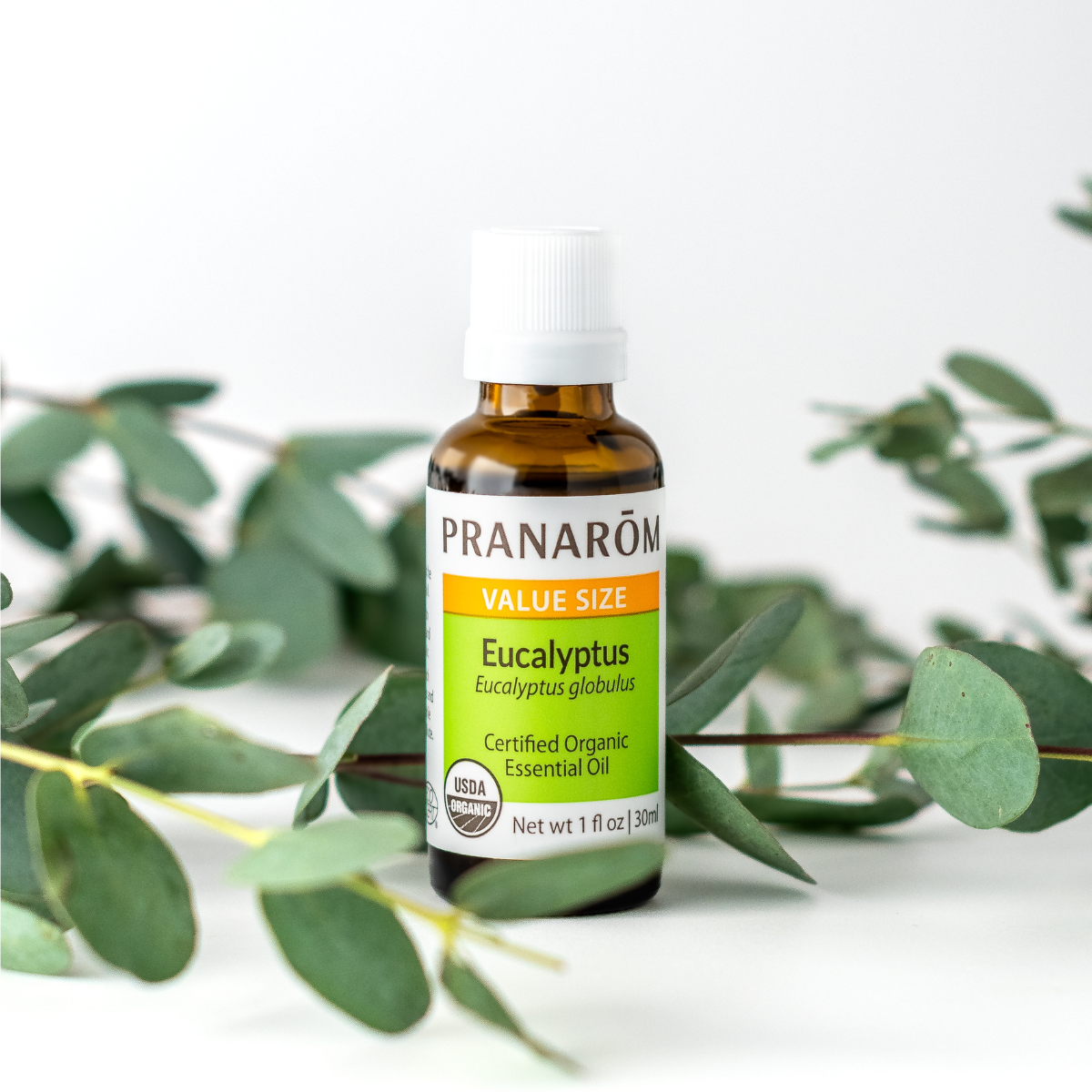
- Eucalyptus radiata (Eucalyptus radiata)
- Chinese cinnamon (Cinnamomum cassia)
- Scots pine (Pinus sylvestris)
- Lemon (Citrus limon)
This blend of aromatics brings together several distinct chemical profiles of each oil, including carvacrol and thymol from oregano, 1,8-cineole from Eucalyptus radiata, cinnamaldehyde from cinnamon, α-pinene from Scots pine, and limonene from lemon.
This formulation is more than the sum of its individual constituents. The whole-oil composition, the relative concentration of its constituents, the gastro-resistant delivery system, the route, and the duration of use all contribute to its biological activity. Its short five-day protocol provides targeted respiratory support, while its multi-targeted mechanisms help support the balance of the respiratory/nasopharyngeal microbiome.
Respiratory Research: From Individual Constituents to Clinical Formulations
One of the best-studied essential-oil constituents in respiratory research is 1,8-cineole, a major constituent of eucalyptus oils, which is found in AromaFORCE Oleobiotic®.
Clinical research has examined cineole in acute rhinosinusitis, COPD, and asthma. In a randomized controlled trial of 152 people with acute nonpurulent rhinosinusitis, oral cineole significantly improved symptom scores compared with placebo.²⁴ Additional randomized, placebo-controlled trials have examined cineole as an adjunct in COPD and asthma, including outcomes related to exacerbations, symptoms, lung function, and quality of life.25,26
Additionally, a 2025 systematic review of essential oils for acute rhinosinusitis identified clinical trials involving cineole and other essential-oil preparations that demonstrated improvements in rhinological symptoms across the studies reviewed.²⁷
These studies help establish a human clinical evidence base around respiratory essential-oil constituents and preparations. They do not, however, mean that evidence for isolated 1,8-cineole can simply be transferred to every finished essential-oil formulation.
The formulation, concentration, route, delivery system, duration, and individual receiving the intervention all determine its overall effects and clinical outcomes.
Human Evidence with the Complete Five-Oil Formulation
A 2025 publication involving 97 adults with acute pharyngotonsillitis compared standard- or double-dose oral AromaFORCE Oleobiotic® essential-oil therapy to penicillin V for five days, followed by a ten-day follow-up period.²⁸ Symptoms and body temperature improved significantly in the essential-oil treatment groups as well as the antibiotic group, with no significant differences among the groups for the outcomes assessed, and the essential-oil interventions were reported to be well tolerated.
These findings add to the human clinical evidence for the complete five-oil formulation, building on more than 30 years of European research and clinical experience with the Oleobiotic approach.²³
AromaFORCE as the Core, Companion Products as the Layers
Rather than thinking about respiratory support as one product for every symptom, the core formulation can provide the foundation, with additional products selected based on the person's dominant presentation.
The oils used across these formulations also bring a range of biological activities that extend beyond respiratory support, including effects on inflammatory pathways, oxidative balance, nervous-system regulation, and microbial balance.17,23 This is an important part of the layered approach: supporting respiratory health while also addressing the broader physiological systems that contribute to resilience.
1. Core: AromaFORCE Oleobiotic® + Eucalyptus
AromaFORCE provides the systemic/core respiratory support through its five-oil Oleobiotic formulation and gastro-resistant delivery system. The current formulation is designed as a short-course protocol.
2. Throat: AromaFORCE Throat Spray or Soothing Throat Pastilles
When throat discomfort or irritation is the dominant concern, a targeted throat product can be added. The AromaFORCE Throat Spray combines essential oils with fig syrup and is formulated with ingredients specifically for throat and respiratory comfort. The AromaFORCE Soothing Throat Pastilles provide another convenient option, combining certified organic honey with essential oils including lemon, eucalyptus, thyme, mandarin, and lemongrass.
3. Chest and Cough: AromaFORCE Vapor Rub
For chest and cough-related concerns, the AromaFORCE Vapor Rub provides topical and aromatic support. The essential oils include Eucalyptus radiata, rosemary ct. cineole, sweet inula, wintergreen, and thyme, in a shea-butter and apricot-kernel-oil base.
4. Respiratory and Throat Comfort: AromaFORCE Essential Syrup
The AromaFORCE Essential Syrup combines fig syrup with essential oils of eucalyptus globulus, lemon, Scotch pine, mountain savory, and Chinese cinnamon. The fig syrup provides a soothing coating for the throat while the aromatic formulation provides additional respiratory support.
The Clinical Flow
A clinical approach that begins with a core formulation can provide the basis of resilience. Next, consider the person's dominant presentation, add targeted support when appropriate, and individualize based on the response.
This same systems-based thinking applies to fall resilience as a whole. Respiratory health is influenced by sleep, nutrition, movement, stress regulation, relationships, time in nature, and the sensory environment. Essential oils can be one tool within this larger framework, providing a way to work with plant chemistry while also engaging the sensory pathways that connect our environment with the brain and body.
As fall approaches, resilience can be supported by paying attention to the many inputs the body and brain are receiving. Essential oils are an important piece of that picture.
References
- Wirz-Justice A, Skene DJ, Münch M. The relevance of daylight for humans. Biochem Pharmacol. 2021;191:114304. PMID: 33129807.
- Soudry Y, Lemogne C, Malinvaud D, Consoli SM, Bonfils P. Olfactory system and emotion: common substrates. Eur Ann Otorhinolaryngol Head Neck Dis. 2011;128(1):18-23.
- Kontaris I, East BS, Wilson DA. Behavioral and neurobiological convergence of odor, mood and emotion: a review. Front Behav Neurosci. 2020;14:35.
- Ougham HJ, Morris P, Thomas H. The colors of autumn leaves as symptoms of cellular recycling and defenses against environmental stresses. Curr Top Dev Biol. 2005;66:135-160. PMID: 15797453.
- The Spruce. Deciduous Trees, Shrubs, and Vines: 26 Examples. https://www.thespruce.com/deciduous-meaning-lists-of-examples-2131036
- Siah CJR, Goh YS, Lee J, et al. The effects of forest bathing on psychological well-being: A systematic review and meta-analysis. Int J Ment Health Nurs. 2023;32(4):1038-1054.
- de Sousa DP, Damasceno ROS, Amorati R, et al. Essential Oils: Chemistry and Pharmacological Activities. Biomolecules. 2023;13(7):1144.
- Zhao Q, Zhu L, Wang S, Gao Y, Jin F. Molecular mechanism of anti-inflammatory effects of plant essential oils: a systematic review. J Ethnopharmacol. 2023;301:115829.
- Wen Y, Yan Q, Pan Y, et al. Medical empirical research on forest bathing (Shinrin-yoku): a systematic review. Environ Health Prev Med. 2019;24:70.
- Antonelli M, Barbieri G, Donelli D. Effects of forest bathing on levels of cortisol as a stress biomarker: a systematic review and meta-analysis. Int J Biometeorol. 2019;63(8):1117-1134.
- Stier-Jarmer M, Throner V, Kirschneck M, et al. The psychological and physical effects of forests on human health: a systematic review of systematic reviews and meta-analyses. Int J Environ Res Public Health. 2021;18(4):1770.
- Antonelli M, Donelli D, Carlone L, et al. Effects of forest bathing on individual well-being: an umbrella review. Int J Environ Health Res. 2022;32(8):1842-1867.
- Andrade AM, Durães SF, Netto LCRF, et al. Short-term cardiovascular and mental health responses to Shinrin-Yoku (forest bathing): a systematic review and meta-analysis. Front Psychol. 2026;17:1707829.
- Li Q, Kobayashi M, Wakayama Y, et al. Effect of phytoncide from trees on human natural killer cell function. Int J Immunopathol Pharmacol. 2009;22(4):951-959.
- Lew T, Fleming KJ. Phytoncides and immunity from forest to facility: a systematic review and meta-analysis. Pharmacol Res Nat Prod. 2024;4:100061.
- Barra A. Factors affecting chemical variability of essential oils: a review of recent developments. Nat Prod Commun. 2009;4(8):1147-1154.
- de Sousa DP, Damasceno ROS, Amorati R, et al. Essential Oils: Chemistry and Pharmacological Activities. Biomolecules. 2023;13(7):1144.
- Zhao Q, Zhu L, Wang S, Gao Y, Jin F. Molecular mechanism of anti-inflammatory effects of plant essential oils: a systematic review. J Ethnopharmacol. 2023;301:115829.
- Borges E Soares GA, Bhattacharya T, Chakrabarti T, Tagde P, Cavalu S. Exploring pharmacological mechanisms of essential oils on the CNS. Plants (Basel). 2021;11(1):21.
- Ayaz M, Sadiq A, Junaid M, Ullah F, Subhan F, Ahmed J. Neuroprotective and anti-aging potentials of essential oils from aromatic and medicinal plants. Front Aging Neurosci. 2017;9:168.
- Stojanović NM, Ranđelović P, Simonović M, et al. Essential Oil Constituents as Anti-Inflammatory and Neuroprotective Agents: An Insight through Microglia Modulation. Int J Mol Sci. 2024;25(10):5168.
- Horváth G, Ács K. Essential oils in the treatment of respiratory tract diseases highlighting their role in bacterial infections and their anti-inflammatory action: a review. Flavour Fragr J. 2015;30(5):331-341. doi:10.1002/ffj.3252. PMID: 32313366.
- LoBisco S. Essential Oils as Multitarget Therapeutics: A Microbiome-Centered, Evidence-Informed Approach to Clinical Practice. Today’s Practitioner. Webinar. View webinar
- Kehrl W, Sonnemann U, Dethlefsen U. Therapy for acute nonpurulent rhinosinusitis with cineole: results of a double-blind, randomized, placebo-controlled trial. Laryngoscope. 2004;114(4):738-742.
- Worth H, Schacher C, Dethlefsen U. Concomitant therapy with Cineole (Eucalyptole) reduces exacerbations in COPD: placebo-controlled double-blind trial. Respir Res. 2009;10:69.
- Worth H, Dethlefsen U. Patients with asthma benefit from concomitant therapy with cineole: placebo-controlled, double-blind trial. J Asthma. 2012;49(8):849-853.
- Matl CM, Jang W, Salley JR, Fort CL, Demke JC, Tran P, Wang JC. Effects of Essential Oils in the Treatment of Acute Rhinosinusitis: A Systematic Review. Laryngoscope Investig Otolaryngol. 2025;10(3).
- Ciprandi G, Varricchio A, Study Group on Respiratory Infection Management in Clinical Practice. Oral essential oil therapy for managing patients with acute pharyngotonsillitis in primary care setting: a real-world experience. Otorhinolaryngology. 2025;75(4):113-119. doi:10.23736/S2724-6302.25.02594-0.
FAQs
Seasonal changes can influence sleep, activity, nutrition, stress, environmental exposures, and sensory input. Fall also changes the aromatic environment around us, from warming spices to the volatile compounds released by changing vegetation and trees. These shifts provide a natural opportunity to consider how the environment interacts with the brain and body.
Essential oils can be one tool within a broader approach that also considers sleep, nutrition, movement, stress regulation, relationships, time in nature, and the sensory environment. Their complex chemistry provides multiple potential points of interaction with physiology, while their aromatic qualities engage the olfactory system and its connections with the brain.
The effects of an essential-oil intervention depend on more than the individual constituents. The overall chemical profile, concentration, route of administration, delivery system, duration of use, and individual receiving the intervention can all influence its effects. This is why evidence from an isolated constituent should not automatically be applied to every finished essential-oil formulation.
AromaFORCE Oleobiotic® + Eucalyptus can serve as the core formulation within a targeted respiratory approach. Companion products can then be selected according to the person's dominant presentation, such as throat discomfort or chest and cough-related concerns. The goal is to individualize the approach.
Human clinical research has examined essential-oil constituents such as 1,8-cineole in conditions including acute rhinosinusitis, COPD, and asthma. Research has also examined complete essential-oil formulations, including the AromaForce Oleobiotic formulation in adults with acute pharyngotonsillitis. These studies contribute to the human evidence base while also highlighting the importance of considering the specific formulation, oil chemotype, route, dose, and clinical context.
Essential oils are an important part of a larger picture. Resilience is supported by the interaction of many factors, including restorative sleep, nourishing foods, movement, stress regulation, meaningful relationships, time in nature, and other individualized interventions. Essential oils can complement these foundations by providing another way to work with plant chemistry and intentional sensory experiences.


