


Which essential oils and virgin plant oils are best for soothing cold sores?
A cold sore, or herpes labialis, is a recurring viral infection that affects many people. Often triggered by a weakened immune system, this problem manifests as painful blisters around the lips. While conventional treatments exist, essential oils offer a clinically proven natural alternative to soothe symptoms and support healing. This comprehensive guide presents the most effective essential and carrier oils to quickly help your cold sores.
What is a cold sore?
A cold sore, or herpes of the mouth, is an infection caused by the Herpes Simplex Virus type 1 (HSV-1). After the initial infection, the virus remains present in the body—nearly 80% of the world's population carries it—but most people do not experience any visible symptoms.
The virus remains dormant in the nerve ganglia, but it periodically reactivates in some people in the form of a cold sore.
The triggering factors are often linked to a weakened immune system:
Stress;
Fatigue;
Excessive exposure to the sun or cold;
Hormonal changes, such as menstruation;
Infection;
Etc.
During a flare-up, small fluid-filled blisters form, mainly around the lips, nose, or sometimes inside the mouth. These blisters then burst, forming scabs that disappear within one to two weeks.
Although benign, cold sores can be very painful and aesthetically unsightly. They are also highly contagious.
How can I be sure it's a cold sore?
It's important to distinguish a cold sore from other skin conditions, such as acne or allergic reactions. Here are some specific characteristics of a cold sore:
Tingling or burning sensation: these sensations often precede the appearance of blisters.
Fluid-filled blisters: unlike acne, cold sores form as small, clustered blisters. These blisters rupture after a few days to form scabs.
Pain and itching: Cold sores often cause intense itching and pain, especially during the crusting phase.
Rapid evolution: within a few hours to two days, the vesicles appear and evolve rapidly, whereas an acne pimple, for example, takes several days to form.
If pain, itching and a slight fever are present before the appearance of blisters, it is probably a cold sore.
Which essential oil should I apply to a cold sore?
Essential oils, thanks to their purifying, protective & healing properties, are ideal for cold sores as soon as they appear. Here are three particularly effective oils for combating cold sores.
Tea tree essential oil
Tea tree essential oil is one of the most effective when dealing with the herpes simplex virus, slowing the virus's replication and gently caring for symptoms as soon as they appear. Thanks to its calming properties (terpinene-4-ol), it helps with the redness and itching associated with cold sores.
Optimal use :
Apply 1 drop of pure tea tree essential oil to the cold sore using a cotton swab as soon as the first symptoms appear. Repeat the application 6 times during the first 24 hours.
In the following days, apply 1 drop of tea tree essential oil diluted in a carrier oil (such as jojoba oil) directly to the cold sore. Repeat this application 4 to 6 times a day until the scabs have completely disappeared.
Contraindications:
Tea tree oil is not recommended for pregnant or breastfeeding women and children under 6 years old.
Peppermint essential oil
Peppermint essential oil is an excellent choice for the discomfort associated with cold sores. It contains menthol, which provides an immediate cooling sensation while soothing the itching and burning.
It is, therefore, particularly useful in cases where cold sores cause a severe burning sensation. It can also support the immune system, slowing the progression of the virus.
Optimal use
Apply 1 drop of peppermint essential oil diluted in a carrier oil (jojoba oil) to the pimple 3 to 4 times a day. Avoid direct sun exposure after application.
Contraindications
Peppermint essential oil is prohibited for babies under 3 years old and is not recommended:
For pregnant and breastfeeding women;
For children under 6 years old;
For people with epilepsy or a history of seizures.
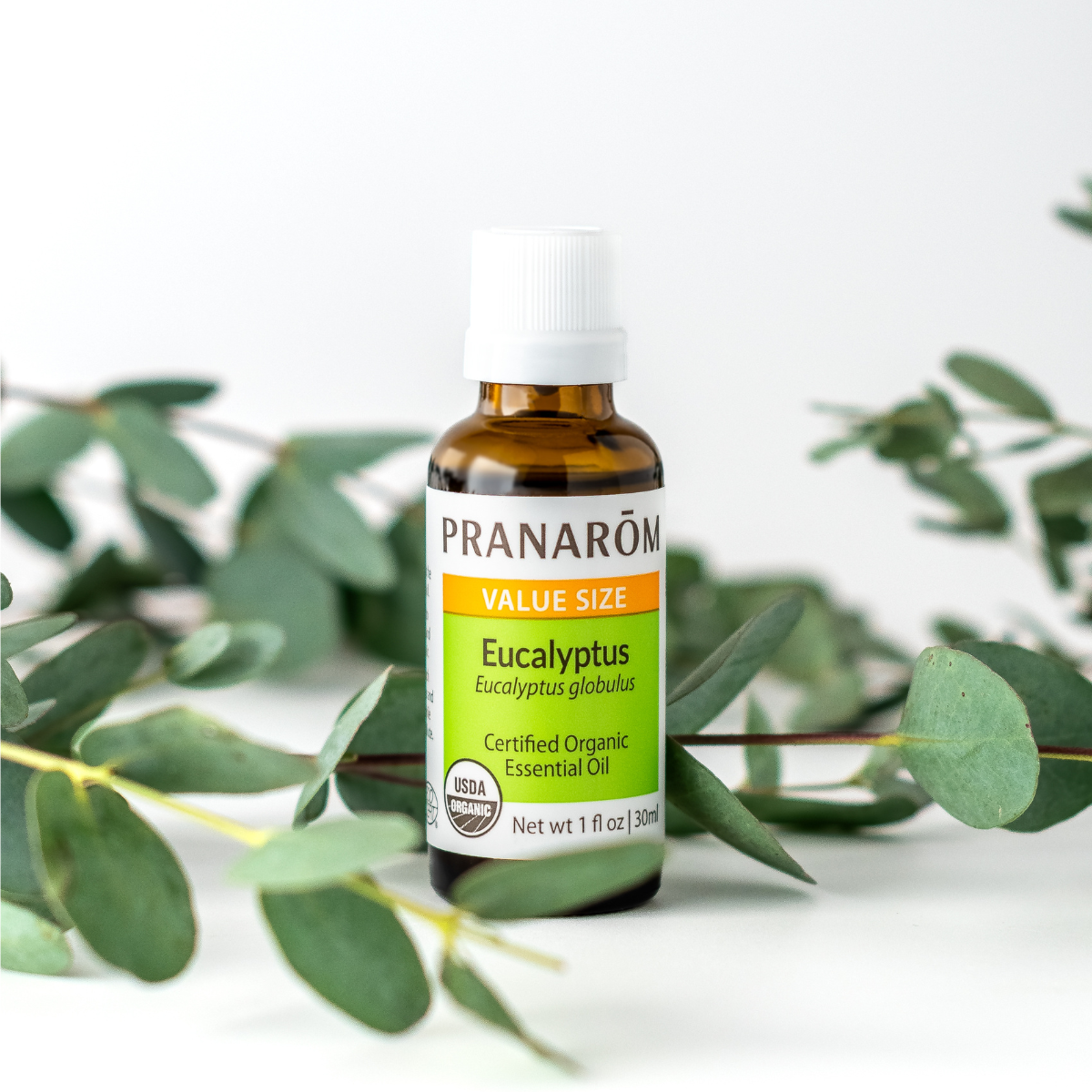
Eucalyptus radiata essential oil
Eucalyptus radiata essential oil is also known for its calming and defensive support. In addition to boosting the immune system to help halt the progression of the virus, it calms redness and helps soothe itching.
Optimal use
Dilute 1 drop of Eucalyptus radiata essential oil in a carrier oil (such as jojoba oil) and apply to the affected area at the first signs of irritation.
Contraindications
Eucalyptus radiata essential oil should not be used during pregnancy and breastfeeding, or on children under 6 years of age.
Sore Simplex
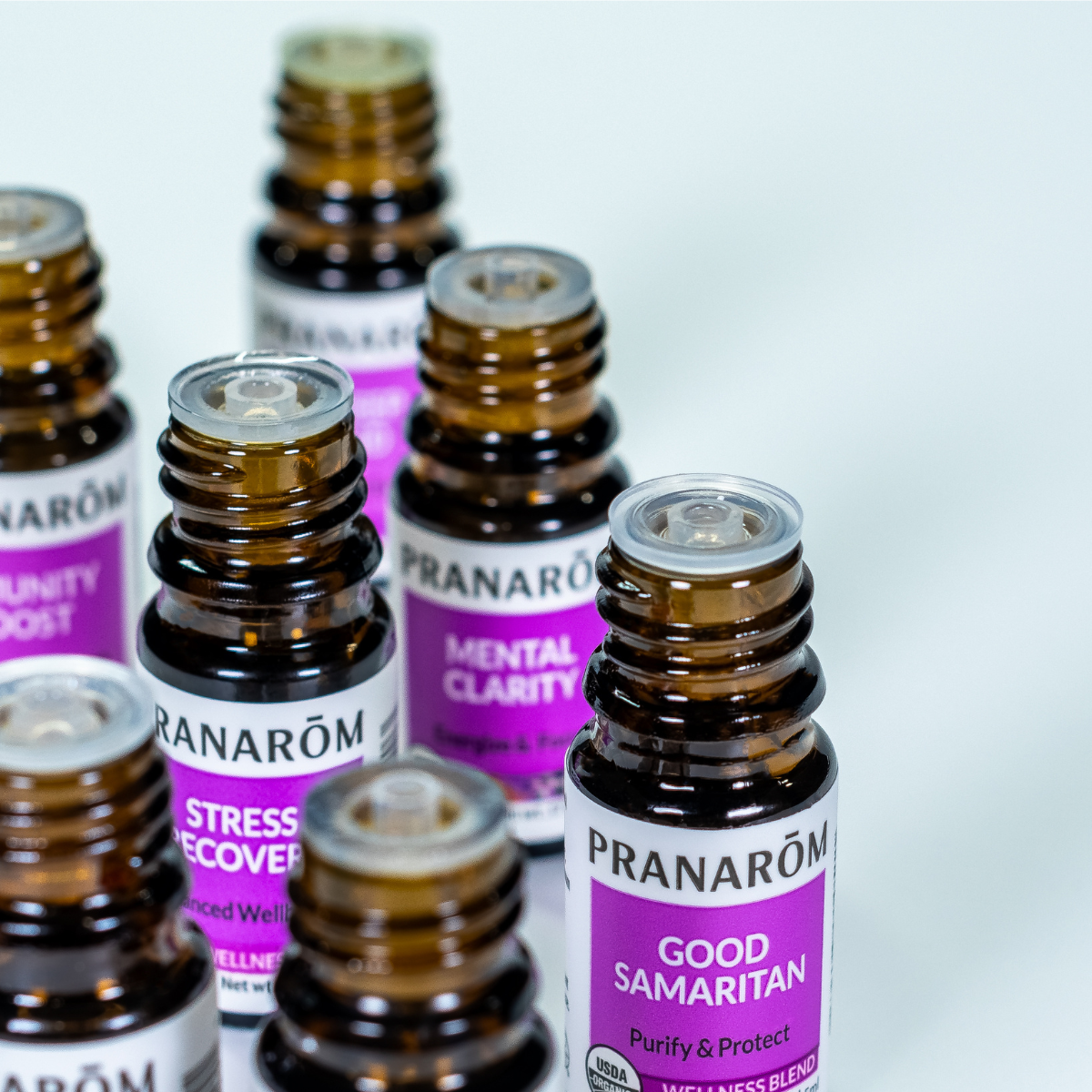
Our Sore Simplex Wellness Blend is our go to solution for cold sores, including Ravintsara, Tea Tree, Eucalyptus & Peppermint essential oils, as well as Tamanu virgin plant oil. Pre-blended & easy to use, no guess work.
Optimal use
Apply 1-3 drops directly to affected area 2-3 times per day. Best applied when you feel a sore developing.
Contraindications
Do not use while pregnant or breastfeeding. If irritation occurs, discontinue use.
The benefits of virgin plant oils on a cold sore
Virgin plant oils, or carrier oils, are an ideal complement to essential oils. They nourish the skin, promote healing, and soothe irritation caused by cold sores. Here are two particularly effective virgin plant oils.
Coconut Oil
Coconut oil is not only nourishing for the skin, but it also possesses natural antiviral properties. The lauric acid it contains helps weaken the herpes virus while accelerating the healing of skin lesions.
It can be used in conjunction with essential oils to reduce the appearance of scabs and alleviate the feeling of tightness in the skin.
Optimal use:
Mix a few drops of Tea Tree or Peppermint essential oil with a teaspoon of coconut oil and apply this mixture to the blisters, 3 to 4 times a day.
Jojoba Oil
Jojoba oil is valued for its ability to regulate sebum production and maintain the skin's natural moisture. Applying it to cold sores helps prevent dryness while promoting rapid tissue regeneration.
Optimal use:
Apply directly to dry or damaged areas after the blisters have disappeared for optimal healing. Or apply in combination with one of the essential oils mentioned above as soon as symptoms appear.
These two virgin plant oils support deep hydration, which will promote rapid healing without scarring.
Additional tips for preventing cold sores
In addition to using essential oils and virgin plant oils, here are some preventative measures that can help reduce the frequency of cold sore outbreaks:
Boost your immune system: A weakened immune system increases the risk of viral reactivation. Consider eating a diet rich in vitamins (especially C and D) and minerals like zinc to support your natural defenses.
Avoid prolonged sun exposure: excessive UV exposure is a common trigger for herpes outbreaks. Always use proper precautions when you are in the sun.
Managing stress: Stress is one of the major triggers for flare-ups. Practices such as meditation, yoga, or deep breathing can help reduce stress and prevent relapses.
Lip care: Use moisturizing lip balms, especially in cold or windy weather, to protect the delicate skin of the lips and avoid irritation.
Cold sores can be uncomfortable and recurrent, but essential and carrier oils offer an effective way to soothe them and help the immune system to prevent their appearance. By applying these oils at the first sign of symptoms, you can significantly reduce the duration and severity of outbreaks. In addition to these applications, it is essential to take care of your overall health and strengthen your immune system to prevent recurrences.