

Bug spray is a must-have during the summer months. Harsh, synthetic chemicals - not so much. So what do you do when most bug sprays available contain DEET?
Essential oils have been used for centuries by cultures around the globe to help us coexist with the insect world, & modern research is continuing to explore their role as natural alternatives to synthetic insect repellents. Ingredients such as citronella, lemongrass, clove, cinnamon, and lemon eucalyptus are among the most widely studied essential oils.
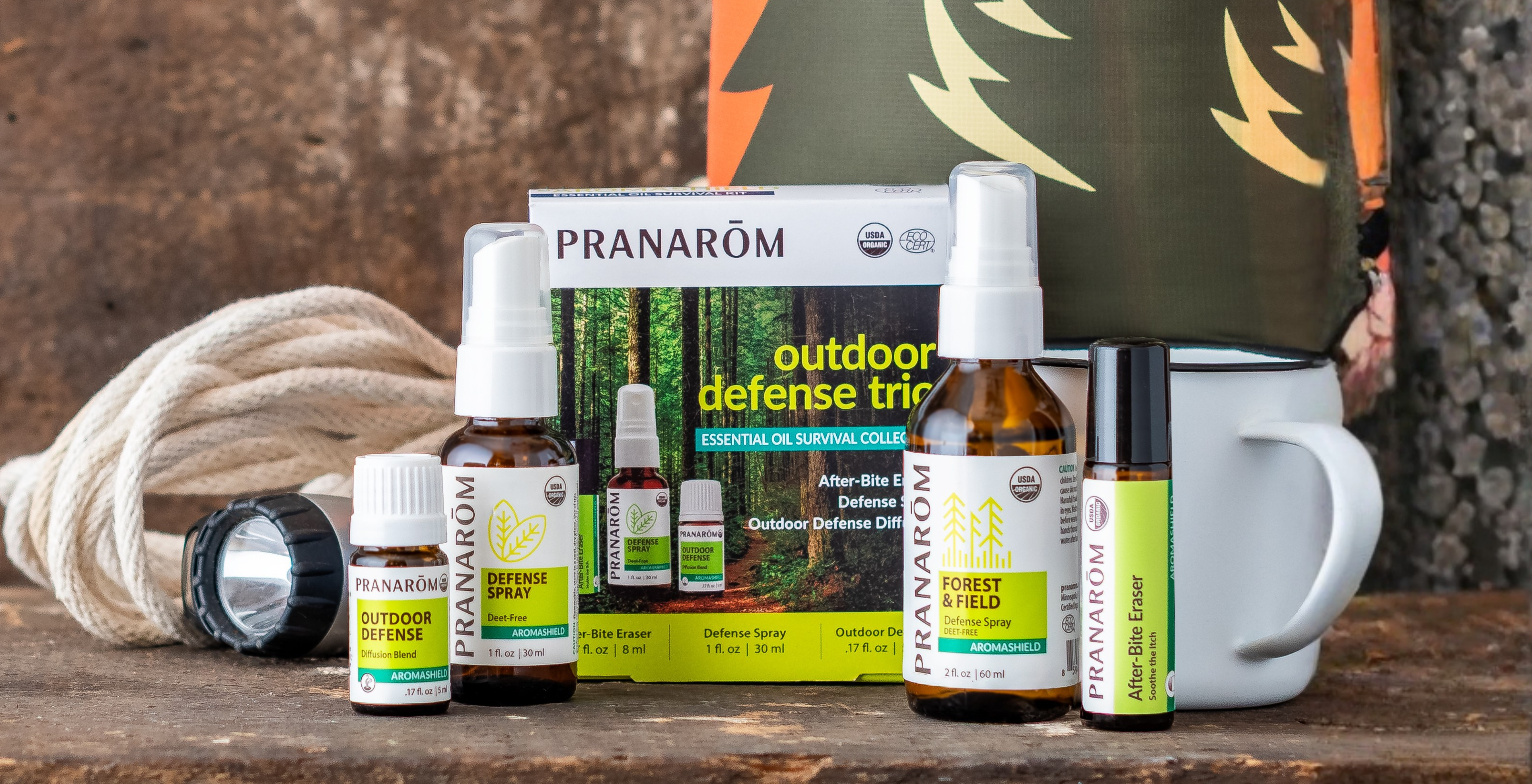
In this article, we'll explore what the science says about natural mosquito repellents, how essential oils may help repel insects, and how to use them as part of your outdoor routine. We'll also share a simple DIY essential oil spray recipe and highlight our Aromashield Outdoor Defense Collection.
How Essential Oils Interact with Insects
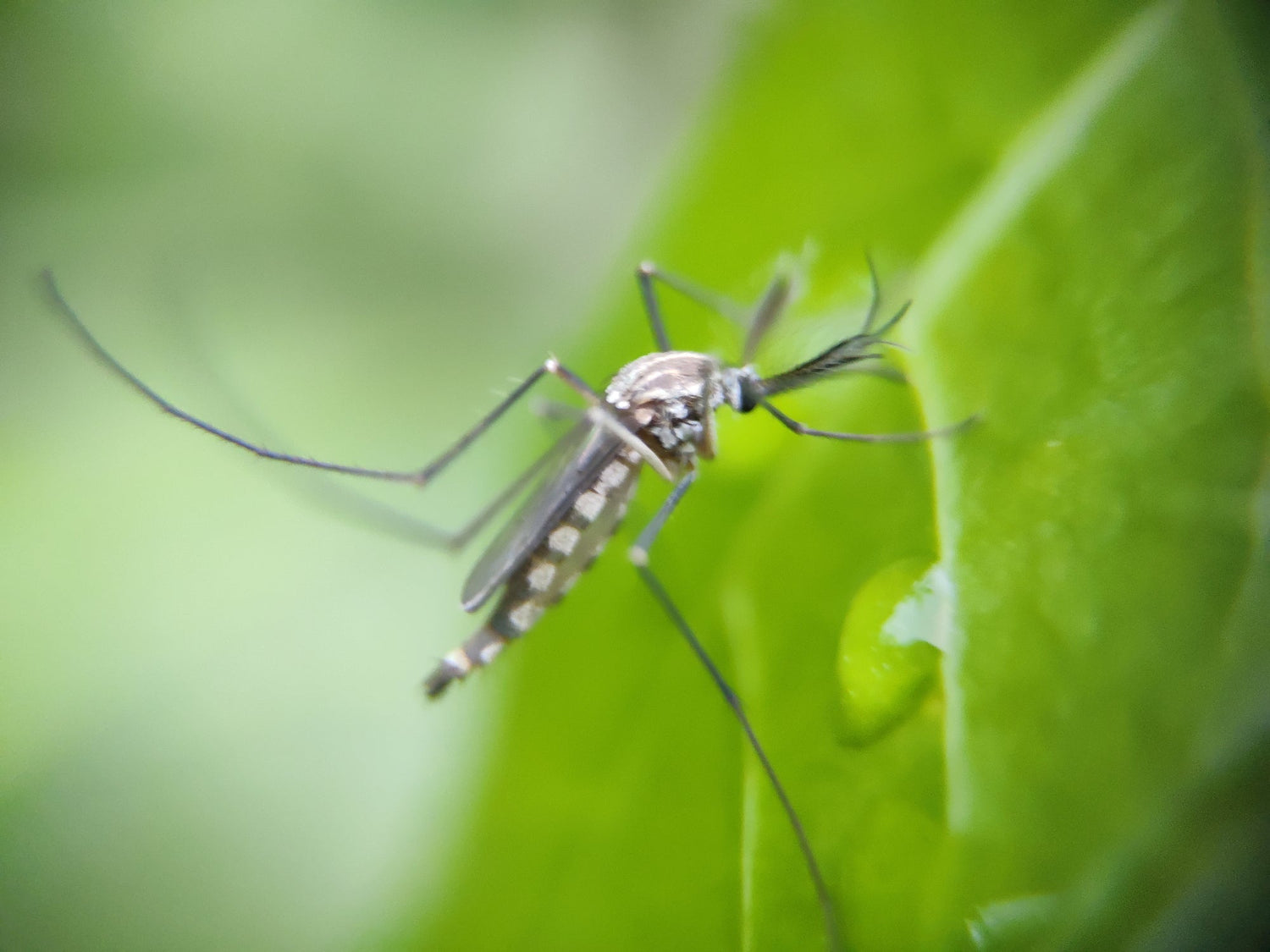
Mosquitoes and other insects rely on sensory cues such as body heat, scent, and carbon dioxide to locate hosts. Research suggests that certain essential oils may help disrupt these cues, making it more difficult for insects to find their target. This is one reason why oils such as citronella, lemongrass, and lemon eucalyptus are commonly used in natural mosquito repellents and other DEET-free outdoor products.
Natural Bug Options: Essential Oils for Outdoor Defense
Citronella Oil

You can find citronella oil in almost any natural mosquito repellent on the market today. This is primarily thanks to its naturally occurring compounds of citronellal, geranial, and citronellol. According to a 2015 randomized control study done in Nepal, citronella essential oil demonstrated mosquito-repelling activity while remaining gentle on the skin when properly diluted.(1)(2) You can find citronella essential oil in all of our Aromashield Defense products: Defense Spray, Kids' Defense Spray, Forest & Field Defense Spray, and Outdoor Defense Diffusion. Shop the Aromashield collection here!
Lemongrass Oil
Like citronella oil, lemongrass (Cymbopogon citratus) contains citronellal and geranial. It also contains limonene, giving the oil its bright, citrus-like aroma.
In a Thai study, lemongrass oil and ylang ylang oil (in an olive oil carrier) were compared to DEET and IR3535. The essential oil blend demonstrated approximately 98.8% repellency against Culex quinquefasciatus - surpassing IR3535 and performing comparably to 20% DEET.(3)
Clove Oil and Cinnamon Oil
In a study conducted by New Mexico State University in 2023, twenty active ingredients from the Environmental Protection Agency's (EPA) Minimum Risk Pesticides list were tested for their effectiveness against Aedes aegypti and Ixodes scapularis. To measure complete protection time, researchers used an approach recommended by the EPA.
Of all 20 active ingredients tested, a combination of clove oil and cinnamon oil demonstrated the longest duration of effectiveness in the study's testing conditions.(4)
Lemon Eucalyptus Oil and PMD
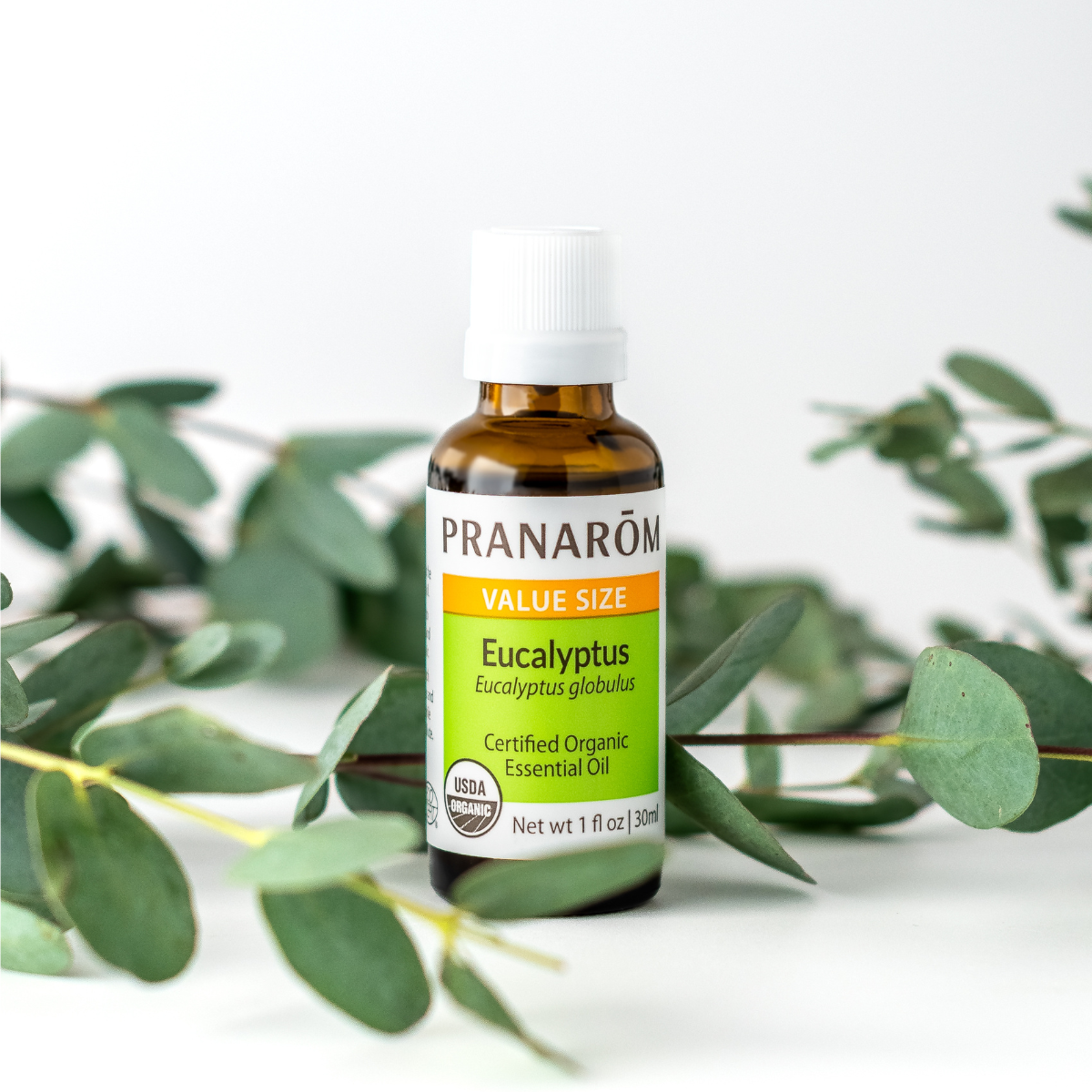
Also known as eucalyptus citriodora, lemon eucalyptus contains para-menthane-diol (PMD) and citronellol - two naturally occurring compounds that may interfere with the sensory cues mosquitoes use to locate hosts.
Oil of Lemon Eucalyptus (OLE) and PMD also appear on the CDC's list of active ingredients recommended for helping protect against mosquito bites.(5)
Peppermint Oil & Spiders
Do you have a doorway, corner, or out-of-the-way space that spiders seem to love? According to a study published in 2017, peppermint oil may be worth exploring.(6)
Because spiders "smell" with their legs, the cooling sensation associated with peppermint oil's menthol content may create an environment they find undesirable. To make your own spray, combine 1 oz of water with 10 drops of peppermint oil and a drop or two of dish soap. Shake well before spraying into corners and other nooks and crannies.

After-Bite Care: Essential Oils for Itchy Skin
Even with the best preparation, it's rare to make it through an entire outdoor adventure without at least one bite. Fortunately, essential oils can help here, too!
Our After-Bite Eraser features peppermint, lavender, clove, and tea tree essential oils blended for direct topical use, providing a cooling, comforting sensation for itchy bites.
For younger members of the family, our Aromashield Kids After-Bite Eraser combines essential oils with nourishing carrier oils. Each carrier oil contributes its own qualities to the blend, helping create a more gentle and comforting experience for sensitive skin.
With Pranarom blends, even the "inactive ingredients" are thoughtfully selected as part of the overall synergy.
Lavender Oil
If we could recommend one essential oil to always keep on hand, it would be lavender oil. Not only is it commonly used in topical essential oil blends, but it also offers a comforting aromatic addition to any outdoor wellness kit.
Whether you're dealing with irritation or simply creating a more skin-friendly blend, lavender oil is a versatile favorite. You'll find it in both our After-Bite Eraser and Kids After-Bite Eraser.
Peppermint Oil
Peppermint oil's instant cooling sensation makes it a popular choice for fast-acting comfort. This oil should always be blended with a carrier oil (like coconut or jojoba) or another gentle essential oils (like lavender) as it can be sensitizing when applied neat.
Clove Oil
Clove oil acts as the Yang to peppermint's Yin in our After-Bite Eraser. Where peppermint oil provides a cooling sensation, clove oil contributes a warming sensation. Together, they help support overall skin comfort after time spent outdoors.
DIY DEET-Free Essential Oil Mosquito Repellent Spray
Are you more of a DIY person? If so, here's how to create your own plant-based mosquito repellent spray using just five essential oils you may already have around the house, plus organic witch hazel, water, and a spray bottle.
We use witch hazel as a base because it helps distribute essential oils more evenly throughout the mixture. It also offers skin-friendly properties, making it a popular ingredient in natural body care products.
Our selection of rose geranium, lemongrass, lemon eucalyptus, peppermint, and lavender is inspired by the scientific studies discussed above - particularly those involving mosquitoes and outdoor pests. If you're dealing with a specific type of insect, such as gnats or flies, you may wish to research other commonly recommended essential oils and adjust your blend accordingly.
Alternatively, you can blend the essential oils with a carrier oil such as coconut oil instead of creating a spray. Coconut oil is a popular option because it helps dilute essential oils while providing moisturizing benefits.
DIY DEET-Free Essential Oil Spray Recipe
Create your own plant-based outdoor defense spray with just a few simple ingredients.
Essential Oils
- 5 drops lavender oil (or basil oil)
- 5 drops peppermint oil
- 5 drops rose geranium oil
- 5 drops lemon eucalyptus oil
- 5 drops lemongrass oil
Other Ingredients
- 15ml witch hazel
- Distilled water
- 1 oz spray bottle
Directions
Add the essential oils and witch hazel to your spray bottle and swirl gently to combine. Top off with distilled water, filling the bottle to the neck. Secure the spray cap and shake well before each use.
Tips on Using Natural Defense Sprays
Spritz your DEET-free essential oil defense spray over exposed skin and clothing, applying as needed throughout the day. Never spray essential oils near your eyes. If you want to spray over your hair, be sure to shield your eyes carefully.
A helpful tip is to spray a hat before heading outdoors. Not only does it provide a physical barrier from insects, but it can also help diffuse the aroma of your essential oil blend around you.
For more complete outdoor insect protection, be sure to wear appropriate clothing and gear. Long pants and boots are especially helpful when venturing into thick woods and grassy areas. Apply your natural bug spray to clothing, particularly around the ankles and lower legs.
References
(1) Sharma R, Rao R, Kumar S, Mahant S, Khatkar S. Therapeutic Potential of Citronella Essential Oil: A Review. Curr Drug Discov Technol. 2019;16(4):330-339. doi: 10.2174/1570163815666180718095041. PMID: 30019646.
(2) Sajo ME, Song SB, Bajgai J, Kim YJ, Kim PS, Ahn DW, Khanal N, Lee KJ. Applicability of citronella oil (Cymbopogon winteratus) for the prevention of mosquito-borne diseases in the rural area of Tikapur, far-western Nepal. Rural Remote Health. 2015;15(4):3532. Epub 2015 Nov 12. PMID: 26564331.
(3) Soonwera M, Phasomkusolsil S. Efficacy of Thai herbal essential oils as green repellent against mosquito vectors. Acta Trop. 2015 Feb;142:127-30. doi: 10.1016/j.actatropica.2014.11.010. Epub 2014 Nov 28. PMID: 25438256.
(4) Luker HA, Salas KR, Esmaeili D, Holguin FO, Bendzus-Mendoza H, Hansen IA. Repellent efficacy of 20 essential oils on Aedes aegypti mosquitoes and Ixodes scapularis ticks in contact-repellency assays. Sci Rep. 2023 Jan 30;13(1):1705. doi: 10.1038/s41598-023-28820-9. PMID: 36717735; PMCID: PMC9886999.
(5) Centers for Disease Control and Prevention. (2024, August 28). Preventing mosquito bites. U.S. Department of Health and Human Services. Retrieved June 19, 2025, from CDC website: https://www.cdc.gov/mosquitoes/prevention/index.html
(6) Fischer A, Ayasse M, Andrade MCB. Natural Compounds as Spider Repellents: Fact or Myth? J Econ Entomol. 2018 Feb 9;111(1):314-318. doi: 10.1093/jee/tox339. PMID: 29309619.