


As the days grow shorter and sunlight becomes more limited, many people notice changes in their mood, energy levels, and daily routines. Feeling less motivated or experiencing occasional low mood during the darker months is common, although for some individuals these changes may become more significant.
Understanding how seasonal changes can affect overall wellbeing is the first step toward developing healthy daily habits. This article explores the role of light, sleep, nutrition, physical activity, and aromatherapy in supporting emotional wellness.
What is seasonal depression?
Seasonal Affective Disorder (SAD), often called seasonal depression, is a medical condition that is diagnosed by a qualified healthcare professional. It is characterized by recurring changes in mood that typically occur during the fall and winter months and improve as daylight returns in the spring.
While many people experience occasional "winter blues" or temporary seasonal changes in mood and energy, persistent symptoms that interfere with daily life should always be evaluated by a healthcare provider.
Seasonal depression or just the winter blues: what is the difference?
It is common to confuse seasonal depression with a simple case of winter blues. Yet these two states are quite different. The winter blues generally correspond to a temporary dip in mood, often linked to a lack of sunshine, the cold or the fatigue built up at the end of the year. It stays moderate, short-lived and does not prevent you from leading a normal life.
Seasonal depression, on the other hand, settles in more durably. The symptoms are more intense, persist for several weeks or even months, and cause genuine psychological suffering. Daily life can become difficult to manage, both personally and professionally. The difference therefore lies in the intensity of the symptoms, their duration and their functional impact.
What are the symptoms of seasonal depression?
The symptoms of seasonal depression can vary from one person to another. However, certain signs are frequently observed and help guide the diagnosis. A distinction is generally made between physical symptoms and psychological symptoms.
The following symptoms are associated with Seasonal Affective Disorder. They are provided for educational purposes only and are not intended to help diagnose a medical condition. If you experience persistent symptoms, consult your healthcare practitioner.
Physical symptoms
On a physical level, seasonal depression is often accompanied by persistent fatigue. This tiredness is not relieved by rest and can create a feeling of constant lack of energy. Sleep is also disrupted: some people sleep more than usual, with significant difficulty waking up, while others experience poor-quality sleep.
Weight gain may also be observed, often linked to an increased appetite, especially for sugary or carbohydrate-rich foods. This change in eating habits is common during the winter season. Other physical symptoms may appear, such as a feeling of bodily heaviness, reduced motivation or a general sense of slowing down.
Psychological symptoms
On a psychological level, seasonal depression manifests as a marked drop in mood. Spirits are fragile, with persistent sadness, sometimes for no apparent reason. Irritability is frequent, as is emotional hypersensitivity.
Those affected may feel a sense of emptiness, discouragement or deep distress. Withdrawing into oneself is common, with fewer social interactions and a loss of interest in activities usually enjoyed. Difficulty concentrating, lower self-esteem and a feeling of worthlessness may also be present.
What causes seasonal depression?
The causes of seasonal depression are multiple and result from the interaction between biological, environmental and psychological factors.
The role of light on the biological clock
Lack of light is considered one of the main triggering factors. The decrease in natural light and brightness in autumn and winter disrupts the internal biological clock, also called the circadian rhythm. This clock regulates many essential functions, in particular the sleep-wake cycle.
When light exposure decreases, the body receives contradictory signals that alter its natural rhythm. This desynchronisation can lead to a permanent feeling of being out of step, increased fatigue and mood disturbances. In some parts of the world where sunshine is scarce for long periods, the prevalence of seasonal depression is higher.
A growing body of research supports the relationship between reduced daylight exposure, circadian rhythm disruption, and seasonal changes in mood. Clinical studies have found that bright light therapy is an effective first-line treatment for Seasonal Affective Disorder (SAD), underscoring the role of light in regulating biological rhythms and emotional health.1,2
Melatonin and serotonin: the hormonal imbalance
Light directly influences the production of certain hormones. During periods of low light, melatonin production increases. This hormone, involved in sleep, promotes drowsiness and can heighten the feeling of fatigue.
At the same time, the production of serotonin, a key neurotransmitter in mood regulation, tends to decrease. This hormonal imbalance contributes to the onset of depressive symptoms. The combination of excess melatonin and a serotonin deficit plays a central role in the development of seasonal affective disorder.
Who is affected by seasonal depression?
Seasonal depression can affect a wide range of people. However, certain profiles appear more vulnerable. Women are affected more frequently than men. Young adults also present an increased risk, as do people who have already experienced depressive episodes in the past.
Individuals living in regions where light is scarce during winter, such as certain areas of Canada or Northern Europe, are more exposed. Individual temperament, sensitivity to lack of light and certain genetic factors can also influence susceptibility to developing this disorder.
Natural support for your mood
If you're noticing changes in your mood or energy during the darker months, begin by speaking with your healthcare practitioner. They can help determine whether your symptoms require medical evaluation.
Alongside professional guidance, healthy lifestyle habits and daily wellness practices may help support overall wellbeing throughout the changing seasons.
Light therapy: the reference treatment
Many healthcare professionals recommend light therapy for individuals diagnosed with Seasonal Affective Disorder. If you think light therapy may be appropriate for you, discuss the option with your healthcare provider to determine the best approach for your individual needs.
Light therapy is today considered the reference treatment for seasonal depression. It involves daily exposure, usually in the morning, to a lamp emitting artificial light that reproduces the intensity of daylight, without ultraviolet rays.
This exposure helps readjust the biological clock, improve the sleep-wake rhythm and support mood. Practiced regularly, light therapy shows notable effectiveness in many patients, with few side effects when used correctly.
Aromatherapy to support mood and energy
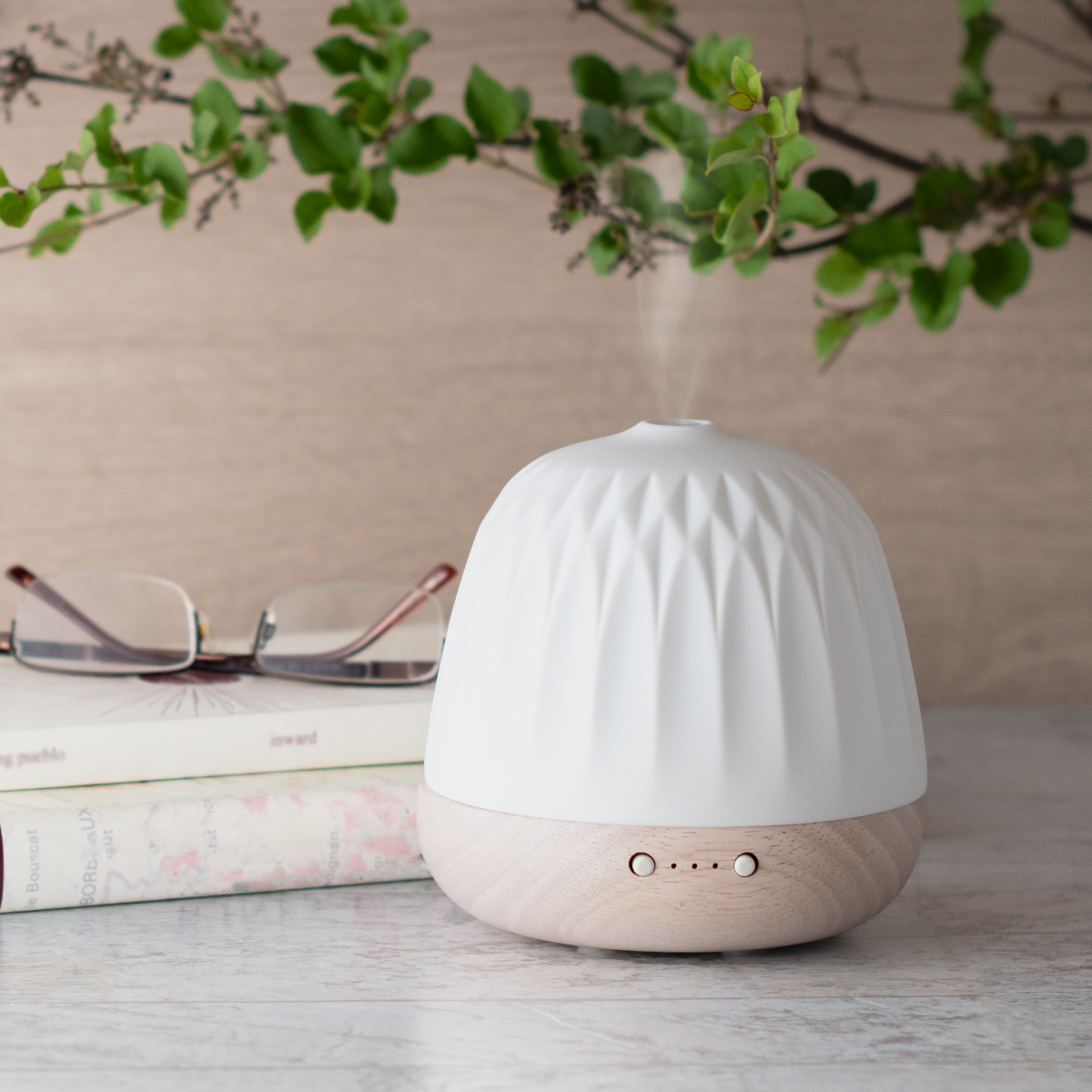
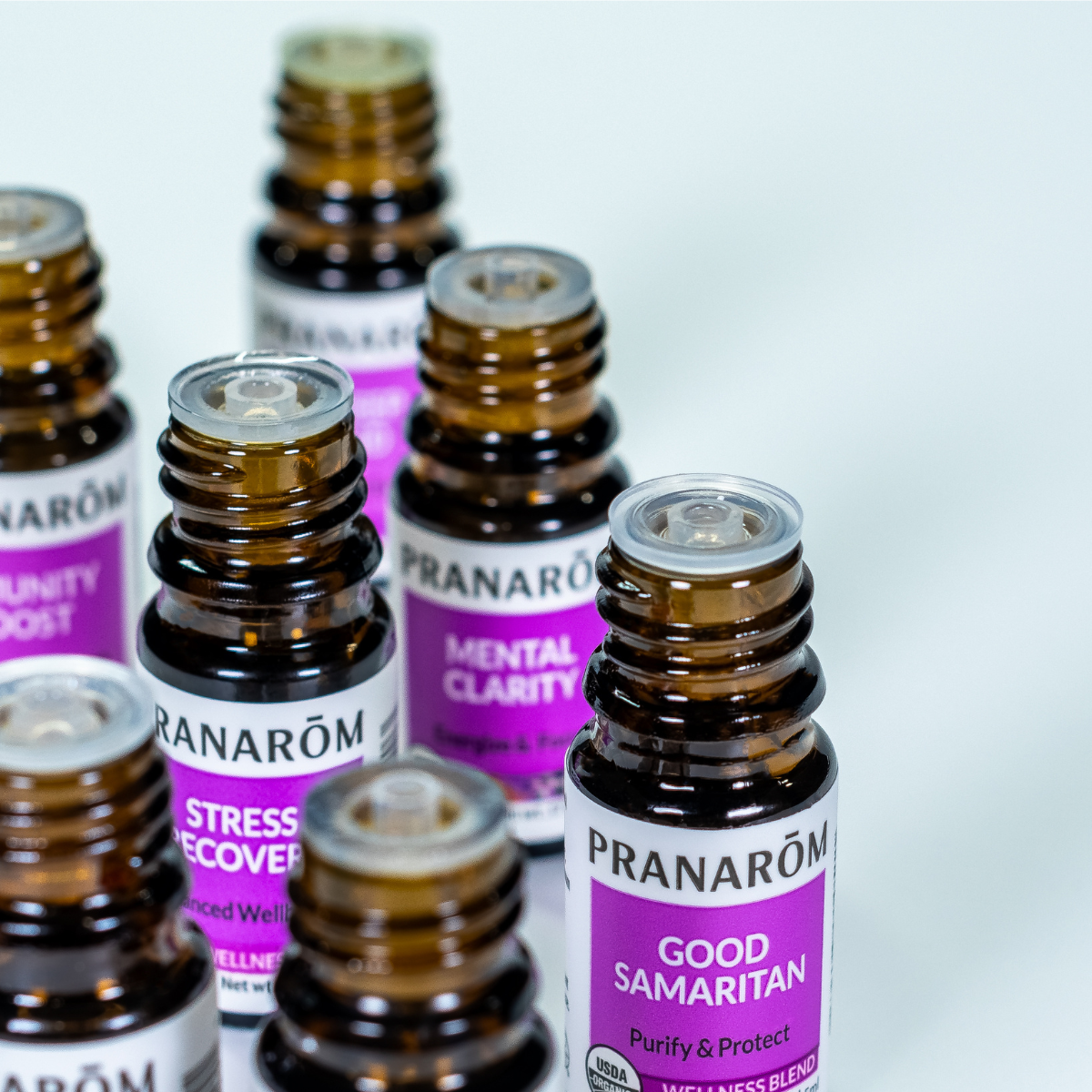
Aromatherapy is enjoyed by many people as part of their daily wellness routine, particularly during times of seasonal transition. Diffusing essential oils or incorporating their aromas into moments of relaxation can help create an uplifting, calming, or refreshing atmosphere at home.
Essential oils are not intended to diagnose, treat, cure, or prevent any disease and should not replace medical care. Always follow product directions and safety precautions.
Essential Oils to lift your spirits
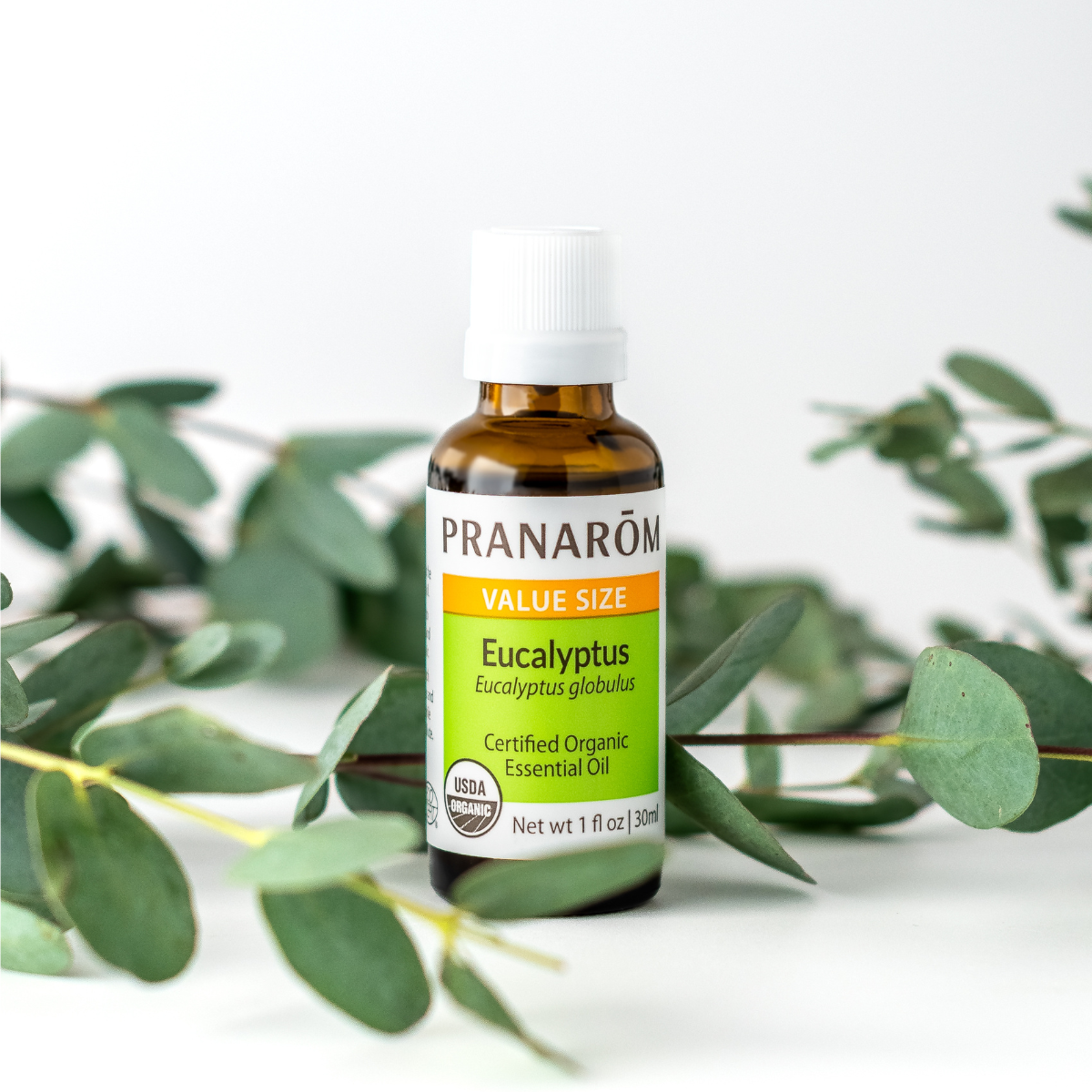
The bright, fresh aroma of citrus essential oils like lemon or sweet orange is widely appreciated for creating an uplifting atmosphere and adding a refreshing touch to everyday wellness rituals.
Essential Oils for restful sleep
Creating a calming bedtime routine is an important part of supporting restful sleep. Essential oils such as lavender and roman chamomile are popular choices for evening diffusion and relaxation rituals.
Essential Oils to boost energy
Fresh, invigorating essential oils such as peppermint, rosemary or ravintsara are often diffused during the day to create an energizing atmosphere and refresh the senses.
Physical activity: supports overall wellbeing
Regular physical activity plays a fundamental role in preventing and supporting seasonal depression. Movement stimulates the production of endorphins - hormones associated with wellbeing. Practiced outdoors when possible, physical activity also lets you benefit from natural light.
Even moderate activity, such as a daily walk, can have a positive impact on mood, sleep and stress management.
Nutrition and vitamin D
Vitamin D plays an important role in overall health. During the winter months, reduced sunlight may affect vitamin D levels for some individuals. If you have concerns, consult your healthcare practitioner to determine whether testing or supplementation is appropriate.
A balanced diet, regular physical activity, and time spent outdoors when possible all contribute to overall wellbeing throughout the changing seasons.
Caring for your sleep and daily rhythm
Sleep is an essential pillar for regulating mood. Regular bedtimes and wake-up times, along with sufficient sleep duration, allow the body to better manage stress and emotional fluctuations. Limiting screens before bed, favoring relaxing activities such as reading or meditation, and ensuring a quiet, dark bedroom all promote restful sleep.
Likewise, maintaining a structured daily rhythm, by planning moments of physical activity and relaxation, helps stabilize energy and mood, thereby supporting emotional wellbeing throughout seasonal changes.
When to consult a healthcare professional?
If persistent low mood, fatigue, changes in sleep, or loss of interest in daily activities begin interfering with your quality of life, consult a healthcare professional promptly. Early evaluation can help determine the most appropriate course of care for your individual situation.
FAQ: seasonal depression
Why do some people notice changes in mood during winter?
Seasonal changes in daylight, daily routines, and time spent outdoors may influence mood and energy for some people. These changes vary from person to person.
What healthy habits can support emotional wellbeing during the darker months?
Many people find that regular physical activity, consistent sleep habits, balanced nutrition, spending time outdoors when possible, and relaxation practices all contribute to overall wellbeing.
Can aromatherapy be part of a wellness routine?
Many people enjoy essential oils as part of their daily self-care rituals to create calming, refreshing, or uplifting environments. Aromatherapy should complement—not replace—the advice of your healthcare professional.
When should I speak with a healthcare professional?
If changes in mood, energy, sleep, or daily functioning persist or become severe, it's important to consult a qualified healthcare provider for evaluation and guidance.
References
(1) Meesters Y, et al. Seasonal affective disorder, winter type: current insights and treatment options. Neuropsychiatric Disease and Treatment. 2016.
(2) Tu A, et al. Treatment measures for seasonal affective disorder: A network meta-analysis. Journal of Affective Disorders. 2024.